
Introduction
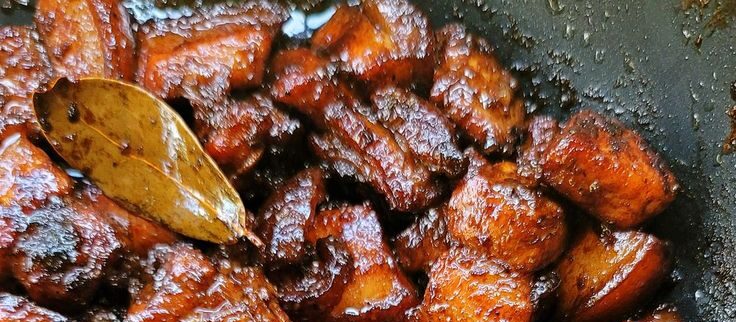
Adobong Baboy, or pork adobo, isn’t just another Filipino dish — it’s a national treasure passed down through generations. Known for its rich, tangy-salty flavor and melt-in-your-mouth pork, this dish is a staple in homes across the Philippines. Whether served during family gatherings or as a humble weekday meal, Adobong Baboy captures the heart of Filipino cooking: simple ingredients, bold flavors, and techniques honed over centuries.
In this guide, I’ll walk you through everything you need to know — from choosing the right ingredients to step-by-step cooking instructions, plus professional tips to make your adobo taste even better the next day. I’ve tested this recipe countless times in my own kitchen, and I’ll also share insights from Filipino culinary traditions to help you master it on your first try.
What is Adobong Baboy?
Adobo is both a cooking method and a dish. The term comes from the Spanish word adobar, meaning “to marinate,” but Filipino adobo predates Spanish colonization — it was already being cooked with vinegar and salt as a preservation method.
Why it’s special:
- It’s a one-pot wonder — marinate, simmer, and serve.
- Flexible — you can adjust vinegar-to-soy sauce ratios to your liking.
- Keeps well for days, often tasting better after a night in the fridge.
Regional Variations:
- Luzon: Often heavier on soy sauce and garlic.
- Visayas: Vinegar-forward, sometimes without soy sauce.
- Mindanao: Can include coconut milk for richness.
Personal Note: I learned my first adobo recipe from my grandmother in Batangas, who swore by cane vinegar and lots of garlic — “the more, the merrier,” she’d say.
Essential Ingredients for Authentic Adobong Baboy
Pork Cuts
- Best choices: Pork belly (liempo) for richness, pork shoulder (kasim) for a balance of fat and lean meat, or spare ribs for extra flavor.
- Pro Tip: Look for pork with bright pink flesh and creamy white fat. Avoid meat with a strong odor or grayish tint.
Vinegar & Soy Sauce
- Vinegar: Cane vinegar is most common, but coconut vinegar adds a mellow sweetness, while palm vinegar offers depth.
- Ratio Guide: A good starting point is 1 part vinegar to 1.5 parts soy sauce, then adjust to taste.
Aromatics & Spices
- Garlic — crushed, not minced, for fuller flavor release.
- Bay leaves — dried or fresh, for aroma.
- Whole black peppercorns — for subtle spice.
Optional Add-Ons
- Coconut milk (adobo sa gata) for creamy texture.
- Hard-boiled eggs for protein boost.
- Potatoes for a heartier dish.
E-E-A-T Note: Ingredient info based on traditional Filipino recipes and USDA pork handling guidelines.
How to Cook Adobong Baboy (Step-by-Step Guide)
Preparation
- Cut pork into 2-inch chunks for even cooking.
- Combine pork, vinegar, soy sauce, garlic, peppercorns, and bay leaves in a bowl. Marinate at least 30 minutes (up to overnight in the fridge).
Cooking Process
- Sear: In a heavy pot, heat a small amount of oil and brown the pork pieces on all sides. This step deepens flavor.
- Simmer: Add marinade, plus enough water to barely cover the pork. Bring to a boil without stirring until vinegar cooks off its raw acidity (around 3–5 minutes).
- Cook Low & Slow: Cover and simmer over low heat for 45–60 minutes, or until pork is tender.
- Reduce: Uncover and let the sauce reduce until it coats the pork in a glossy glaze.
Cooking Time & Temperature
- Pork is safe to eat at 145°F (63°C) internal temperature (USDA standard). For adobo, we go beyond this for tenderness.
Pro Tips for the Best Adobong Baboy
- Don’t Stir Too Soon: Let the vinegar boil first before mixing to avoid a sharp taste.
- Make it a Day Ahead: Flavors deepen overnight.
- Control Saltiness: Start light on soy sauce; you can always add more later.
- Adjust Acidity: Too sour? Add a pinch of brown sugar. Too salty? Add water or potatoes.
Nutrition Information & Health Tips
(Per serving — based on pork belly, 150g portion)
- Calories: ~420 kcal
- Protein: ~20 g
- Fat: ~35 g
- Sodium: High — consider low-sodium soy sauce for those monitoring intake.
Healthier Variations:
- Use pork shoulder or tenderloin for less fat.
- Trim excess visible fat before cooking.
- Increase garlic for flavor without adding salt.
Serving Suggestions
- Serve over steamed rice or garlic fried rice.
- Pair with atchara (pickled papaya) to cut richness.
- For gatherings, serve in a clay pot to retain heat.
Frequently Asked Questions
Yes — adjust cooking time to 30–40 minutes for chicken pieces.
Up to 5 days refrigerated; up to 2 months frozen.
You can, but marinating enhances depth of flavor.
Conclusion
Adobong Baboy is proof that great cooking doesn’t have to be complicated. With just a few pantry staples, you can create a dish that embodies the soul of Filipino cuisine. Whether you stick to tradition or add your own twist, this recipe is a keeper — and your future self will thank you when you taste how good it is the next day.
Try it yourself, and let me know your favorite twist on Adobong Baboy in the comments!